

Overview Summary
- Mobile Battery Energy Storage Systems (BESS) are emerging as a quiet, zero-emission alternative to diesel generators for temporary and remote power.
- UL9540A-tested, anti-propagation battery design provides industry-leading safety and reliability.
- Modular systems (50 kWh to 1.2 MWh+) support a wide range of load demands and can be scaled or paralleled as needed.
- Real-world deployments — from state fairs and music festivals to PGA tournaments and EV showcases — prove the durability and performance of this technology under demanding conditions.
- Facilities can leverage mobile BESS for outage support, maintenance projects, construction zones, noise-sensitive environments, and more.
- Lathrop Trotter brings deep engineering experience to help facilities evaluate, size, and integrate mobile BESS solutions for cleaner, more efficient temporary power.
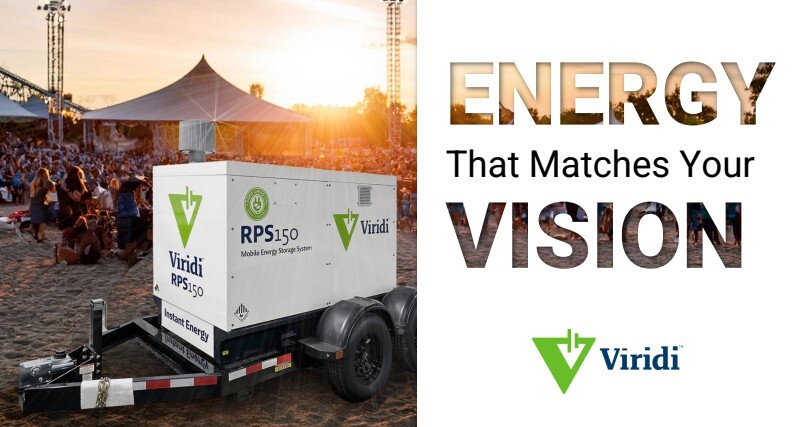
Silent, emission-free mobile battery systems are quickly becoming a trusted alternative to diesel generators.
The performance behind mobile battery systems is opening doors for utilities, industrial operations, campus facilities, and engineered temporary-power deployments. This is especially relevant for teams responsible for minimizing noise, cutting emissions, maintaining reliability, and reducing the headaches associated with temporary or distributed power. Mobile Battery Energy Storage Systems (BESS) are proving they can meet those demands, often with far less fuel, fewer moving parts, and significantly lower maintenance burdens.
Why Mobile BESS Is Gaining Attention
Silent Operation for Noise-Sensitive Environments
Traditional diesel generators bring a familiar list of challenges: noise, fumes, vibration, and an unavoidable footprint that can interfere with the surrounding environment. Mobile BESS units deliver near-silent power, making them ideal for events, but also for refineries, universities, hospitals, and utilities where noise reduction is a priority.
Zero-Emission and Low-Fuel Hybrid Options
One of the biggest advantages of mobile battery energy storage systems is that they eliminate emissions entirely when running on stored power. Even in hybrid mode, where a generator is used only to recharge batteries, fuel consumption drops 60–80%. For plants looking at ESG targets, NPDES concerns, or carbon-reduction initiatives, this creates a meaningful advantage.
Proven Safety Through Anti-Propagation Technology
Viridi’s patented anti-propagation battery design is engineered to stop thermal runoff at the individual cell level. UL9540A test-verified, this approach isolates potential thermal events and prevents escalation, something many industrial teams evaluate closely before deploying lithium-based systems near crew, equipment, or enclosed spaces.
Modular Scalability
Systems range from 50 kWh to 1.2 MWh and larger, allowing users to scale capacity depending on need. From powering scoreboards to running Level 3 EV charging, capacity can be expanded or paralleled to support high-demand applications.
Field-Proven Reliability Across Demanding Deployments
What makes this technology beneficial is not just its engineering, but its proven track record of real-world deployments:
- New York State Fair — multiple systems powering concessions and infrastructure
- Rochester International Jazz Festival — silent, emissions-free energy replacing diesel
- Off-grid Desert Festivals — dozens of units supporting events in harsh conditions
- PGA Tournaments — powering merch tents, scoreboards, and camera towers
- Pikes Peak Race to the Clouds — providing 3 MWh of power for off-grid DC fast charging
- University Sports Venues — providing quiet power directly on game sidelines
- Automotive EV Showcases — supporting high-draw loads in remote outdoor spaces
Mobile BESS installations can function safely, quietly, and reliably under inconsistent loads and challenging site conditions.
How This Technology Translates to Industrial and Utility Applications
The same attributes that make BESS valuable for festivals and stadiums also address common temporary-power challenges at facilities:
- Outage-risk mitigation during maintenance
- Backup power for sensitive areas without diesel fumes
- Portable power for remote construction areas
- Support during equipment changeouts or plant upgrades
- Supplemental power during peak-demand periods
- Quiet energy supply near hospitals or residential edges
- Cleaner alternatives for campuses, municipalities, or district energy operations
For facilities seeking resilience without expanding diesel assets, mobile BESS presents a strategic option.
Why Work with Lathrop Trotter for Mobile BESS Solutions
Lathrop Trotter has long supported industrial and utility sectors with engineered power, boiler, chiller, and energy-infrastructure solutions. Our team understands how to integrate emerging technologies, including mobile battery energy storage systems, into environments that demand reliability, regulatory compliance, and long-term operational confidence.
We help customers evaluate:
- Sizing based on real-world load profiles
- Hybrid configurations to minimize generator runtime
- Safety and thermal-propagation compliance
- Deployment strategies for maintenance and outage support
- Long-term O&M considerations
- Integration with existing onsite assets
As technologies continue to evolve, our engineering team ensures customers get not just equipment, but a solution that fits their plant, their constraints, and their operational goals.
Partner with Lathrop Trotter for Smarter, Cleaner Temporary Power
If you’re exploring cleaner alternatives to diesel generators, or evaluating mobile battery energy storage systems for maintenance, outage support, or distributed power needs, our team can help you review options and determine the best fit for your facility.
Contact Lathrop Trotter to start a conversation about how this technology can support your next project.
Questions? Your Lathrop Trotter sales engineer can help! Contact Us