
Overview Summary
- Cooling tower failures often begin with small, undetected issues that escalate into downtime.
- Routine cooling tower inspections reduce emergency shutdown risk and extend asset life.
- EvapTech inspection services identify safety, performance, and compliance concerns early.
- Inspection documentation supports budget planning and capital justification.
- Midwest facilities benefit from local expertise and coordinated service through Lathrop Trotter.
- A structured inspection program shifts maintenance from reactive to proactive.
Why Cooling Tower Inspections Matter More Than Most Facilities Realize
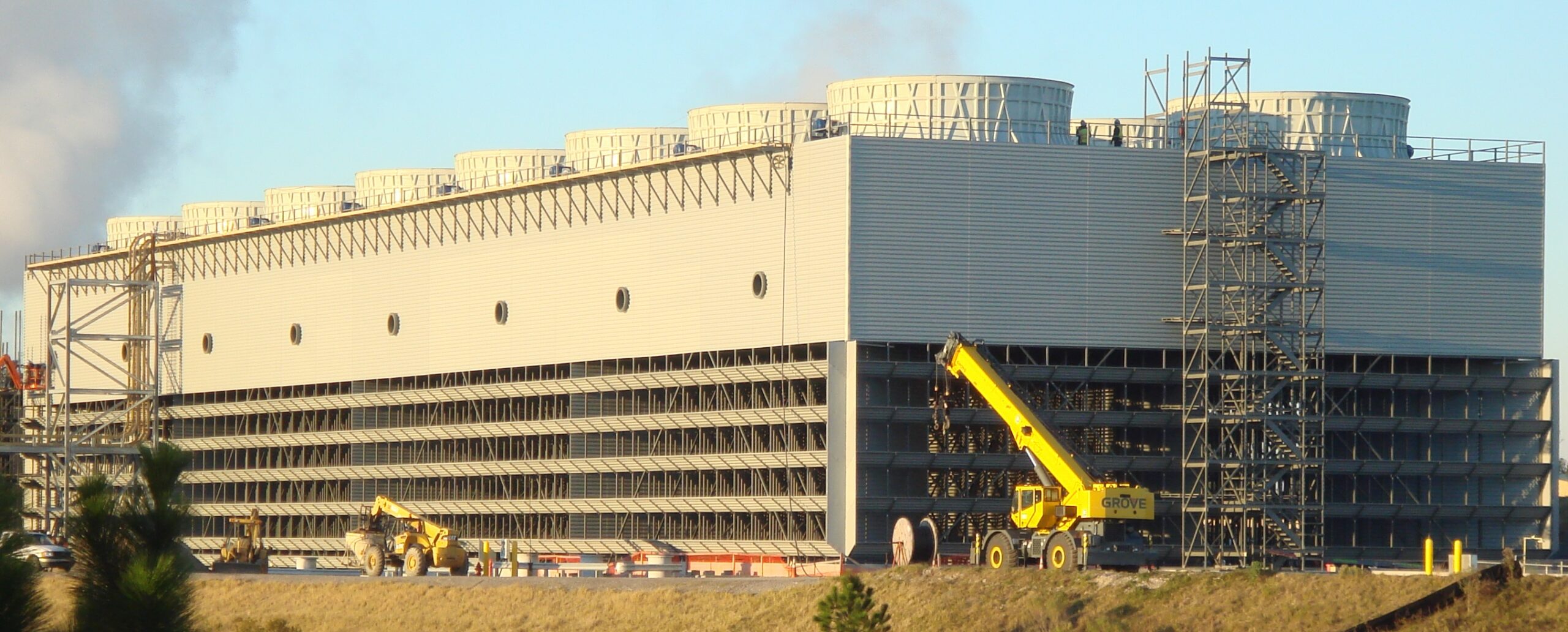
Cooling towers are often viewed as background equipment — critical, but not always top of mind until something fails.
Yet in power plants, industrial processing facilities, and large commercial HVAC systems, cooling towers directly affect:
- Heat rejection capacity
- Process stability
- Equipment efficiency
- Compliance and environmental performance
- Overall plant uptime
Corrosion, structural fatigue, fill degradation, drift eliminator damage, mechanical wear, and distribution issues can quietly develop over time. Many of these conditions do not create immediate alarms, but they gradually reduce performance and increase risk.
By the time visible symptoms appear, costs are often significantly higher.
A formal cooling tower inspection program is not just about identifying defects. It is about protecting availability and controlling long-term operating costs.
What an EvapTech Cooling Tower Inspection Evaluates
EvapTech’s structured inspection services are designed to identify conditions that compromise safety, reliability, and performance. Inspection programs typically focus on:
Structural Integrity
- FRP casing condition
- Steel component corrosion
- Basin integrity
- Support structure evaluation
- Fasteners and connections
Structural deterioration can progress slowly, particularly in aging installations. Early detection prevents larger capital repairs later.
Mechanical Systems
- Fan assemblies
- Gear drives and motors
- Couplings and bearings
- Vibration analysis indicators
Mechanical failure inside a cooling tower often leads to unplanned outages. Inspections help identify wear patterns before breakdown occurs.
Water Distribution and Fill Performance
- Spray systems
- Nozzles and distribution basins
- Fill media condition
- Drift eliminators
Even partial blockage or fill damage can reduce thermal performance. This forces upstream systems to work harder, increasing energy consumption.
Compliance and Safety Concerns
- Access points and safety components
- OSHA-related structural considerations
- Performance documentation support
For facilities subject to environmental and safety regulations, inspection documentation can be valuable during audits or internal reviews.
EvapTech’s inspections are specifically structured to:
- Identify safety risks.
- Reveal performance improvement opportunities.
- Prevent unanticipated failures.
- Justify necessary investments.
- Assure equipment availability and reliability.
This structured approach aligns closely with what maintenance teams actually need: actionable insight, not generic recommendations.
The Cost of Skipping Cooling Tower Inspections
Facilities often postpone inspections due to:
- Budget constraints.
- Competing outage priorities.
- Limited internal resources.
- Perception that “it’s still running fine.”
However, deferred inspection increases the likelihood of:
- Emergency shutdowns.
- Accelerated structural damage.
- Thermal inefficiency.
- Higher fan and pump energy consumption.
- Larger unplanned capital expenses.
Reactive repairs almost always cost more than planned corrections. For facilities managing aging equipment or legacy systems, the risk compounds each year.
Inspection Documentation That Supports Capital Planning
One of the most overlooked benefits of a professional cooling tower inspection is documentation.
Maintenance teams frequently need to:
- Justify replacement budgets.
- Support capital expenditure requests.
- Provide evidence for lifecycle extension.
- Demonstrate risk mitigation efforts.
Clear inspection reporting provides measurable findings that support internal approval processes. Instead of relying on anecdotal evidence, teams can present data-backed recommendations.
For multi-stage upgrade plans, inspections also allow facilities to prioritize the most critical repairs first, rather than replacing entire systems unnecessarily.
Why Midwest Facilities Rely on Lathrop Trotter & EvapTech
Cooling towers are not standalone assets. They operate within broader plant systems that include pumps, piping, heat exchangers, and process equipment.
Lathrop Trotter partners with EvapTech to provide:
- Field-erected cooling tower inspections.
- Aftermarket service coordination.
- Repair and performance improvement support.
- Midwest-based technical expertise.
- Integration awareness across plant systems.
Rather than offering isolated service, this approach considers the entire operating environment, helping facilities avoid the “single-component” mindset that can create integration problems.
For maintenance teams already managing complex equipment portfolios, having a partner who understands plant-wide impacts is a significant advantage.
When Should You Schedule a Cooling Tower Inspection?
Inspection timing depends on:
- Age of equipment.
- Operating hours.
- Environmental conditions.
- History of performance issues.
- Upcoming outages or maintenance windows.
Facilities should strongly consider inspection if they are experiencing:
- Reduced cooling capacity.
- Increased fan or pump load.
- Visible structural wear.
- Recurring maintenance issues.
- Planning for upcoming capital budgeting.
Proactive inspections are especially valuable before scheduled outages. They allow repair planning in advance, avoiding surprises during shutdown windows.
From Reactive to Proactive: A Maintenance Strategy Shift
Many maintenance teams express the same frustration:
“We’re always putting out fires.”
Cooling tower inspections are one practical way to shift toward a proactive strategy.
They provide:
- Visibility into hidden degradation.
- Early warning on mechanical risks.
- Clear upgrade prioritization.
- Data to reduce approval friction.
- Confidence in long-term asset reliability.
Over time, that shift reduces midnight emergency calls and protects maintenance budgets.
Start with a Structured Cooling Tower Assessment
If your facility relies on cooling towers to support power generation, industrial processing, or large-scale HVAC, a structured inspection is one of the most cost-effective steps you can take toward reliability.
Lathrop Trotter works alongside EvapTech to help Midwest facilities evaluate tower condition, identify performance improvements, and plan practical next steps, without unnecessary overhauls or vague recommendations.
If you are preparing for an outage, reviewing capital budgets, or simply want clarity on the condition of your cooling tower systems, contact Lathrop Trotter to schedule a consultation with a system sales engineer. A structured inspection today can prevent a costly failure tomorrow.
Questions? Your Lathrop Trotter sales engineer can help! Contact Us